Why Invest in Commercial Charging Stations for Your Business?
In today's evolving energy landscape, businesses must adapt to new technologies. One significant opportunity lies in investing in commercial charging stations. These stations cater to the growing demand for electric vehicles (EVs) and showcase a commitment to sustainability. By providing charging options, businesses enhance customer experience and attract more visitors.
Commercial charging stations not only support the environment but also contribute to a company’s bottom line. They serve as a strategic investment that can drive revenue through customer loyalty. Additionally, having charging stations can boost brand image, positioning the business as a forward-thinking leader. However, not all investments yield immediate returns. Businesses must carefully consider the costs and benefits of installation.
Moreover, navigating the complexities of commercial charging stations can be challenging. There may be local regulations and infrastructure requirements to address. Understanding these factors is crucial for success. Investing in commercial charging stations encourages businesses to engage with their communities. It opens up discussions about sustainability and further innovation. In doing so, companies create an environment that supports progress and resilience.
Benefits of Installing Commercial Charging Stations for Businesses
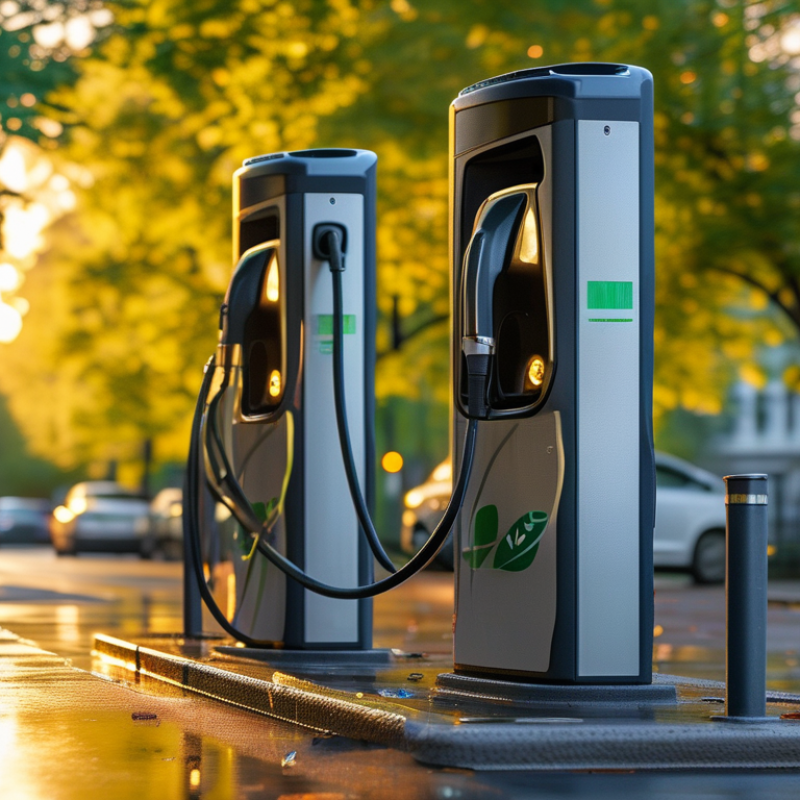
Investing in commercial charging stations brings numerous benefits to businesses. Firstly, it can attract environmentally conscious customers. Having charging facilities shows your commitment to sustainability. This appeal can enhance your brand image. More customers may choose your services over others. They feel their values align with yours.
Moreover, commercial charging stations can create new revenue streams. Businesses can charge a fee for using these stations. This may help offset installation costs. Additionally, attracting more foot traffic is a crucial advantage. People with electric vehicles often look for charging stations. By providing one, you can increase sales opportunities.
However, there are challenges to consider. Installation costs can be significant. Depending on your location, permits and maintenance may also add up. It's essential to evaluate your local community's demand for charging stations. Assessing potential return on investment is vital. Regular feedback from customers can guide your decisions. This way, you can improve services and adapt to changing needs.
Market Trends: The Growth of Electric Vehicle Adoption
The electric vehicle (EV) market is booming. Sales of EVs have surged significantly in recent years. Analysts predict this trend will continue. More consumers are choosing electric over gas-powered vehicles. Infrastructure for EVs must expand to support this growth. That’s where commercial charging stations come into play.
Many businesses are realizing the demand for charging solutions. Offering charging options can attract new customers. It also enhances the customer experience. A well-placed charging station can increase foot traffic. Providing this service reflects a commitment to sustainability. However, businesses should weigh the costs. Installation and maintenance require investment and planning.
Market trends show that more people are adopting EVs. Companies must keep pace with this evolution. Failing to adapt could mean losing competitive advantage. With advancements in charging technology, the future looks bright. Yet, challenges remain. Businesses need to be prepared for potential installation hurdles. Embracing change is essential for long-term success.
Cost Analysis: Understanding the Investment and ROI of Charging Stations
Investing in commercial charging stations can prove beneficial for businesses in today's evolving landscape. The initial costs can range from a few thousand to tens of thousands of dollars, depending on the type and number of stations. This investment requires careful consideration of factors like installation, permits, and maintenance. Additionally, businesses might face unexpected costs, such as upgrades to existing electrical systems.
Calculating return on investment (ROI) is crucial. With growing numbers of electric vehicle (EV) owners, providing charging stations can attract new customers. Research indicates that businesses offering EV charging see increased foot traffic. However, not all locations gain equal benefits. Accessibility and visibility significantly impact usage rates. It's essential to analyze local demand and competition.
Moreover, incentives exist that may help offset initial costs. Tax credits and grants can reduce financial burdens. Yet, not all businesses fully utilize these opportunities. Some might overlook available subsidies, leading to missed savings. Effective planning and thorough research are vital to maximizing ROI. This uncertainty requires ongoing assessment post-installation to understand the true value of the investment.
Enhancing Customer Experience Through Convenient Charging Options
In today’s fast-paced world, customer convenience is paramount. Businesses can significantly enhance the customer experience by providing commercial charging stations. Many customers depend on their devices for navigation, communication, and entertainment. Having access to charging stations allows them to stay connected while they shop or dine.
Imagine a busy restaurant where guests can plug in their devices as they wait for their meals. This simple amenity can keep patrons satisfied and engaged. However, not all charging stations are created equal. Some may be slow or unreliable. Proper installation and regular maintenance are crucial. A malfunctioning station can lead to frustrated customers, defeating the purpose of offering charging options.
Furthermore, consider the layout of the charging stations. Placement matters. If stations are hidden away, customers may overlook them. Visibility and accessibility can boost usage rates. Businesses should also ensure they provide various charging types to accommodate all devices. A thoughtful approach can provide a competitive edge. However, it's essential to assess the potential return on investment. Not every location may see increased foot traffic or repeated visits. A careful analysis can guide decisions effectively.
Compliance and Incentives: Navigating Regulations and Financial Benefits
Investing in commercial charging stations can seem daunting. However, the regulatory landscape is evolving. Understanding compliance requirements is essential. Many jurisdictions are enacting laws that mandate access to electric vehicle (EV) charging. Businesses must adapt to these regulations or risk penalties.
Besides the legal obligations, there are financial incentives. Various government programs offer tax credits for installing EV chargers. These credits can significantly reduce initial setup costs. Grants and funding opportunities also exist. Local governments often provide support to boost the transition to green energy.
It’s worth noting that not all incentives are straightforward. The application process can be complex and time-consuming. Businesses must do their research. Consult experts to navigate these waters effectively. This investment, while initially challenging, can position a company as forward-thinking. In time, the benefits may outweigh the hurdles.