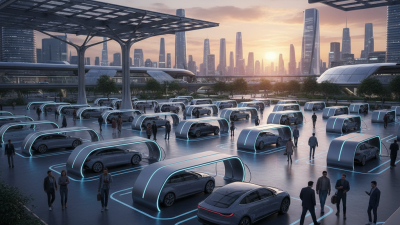
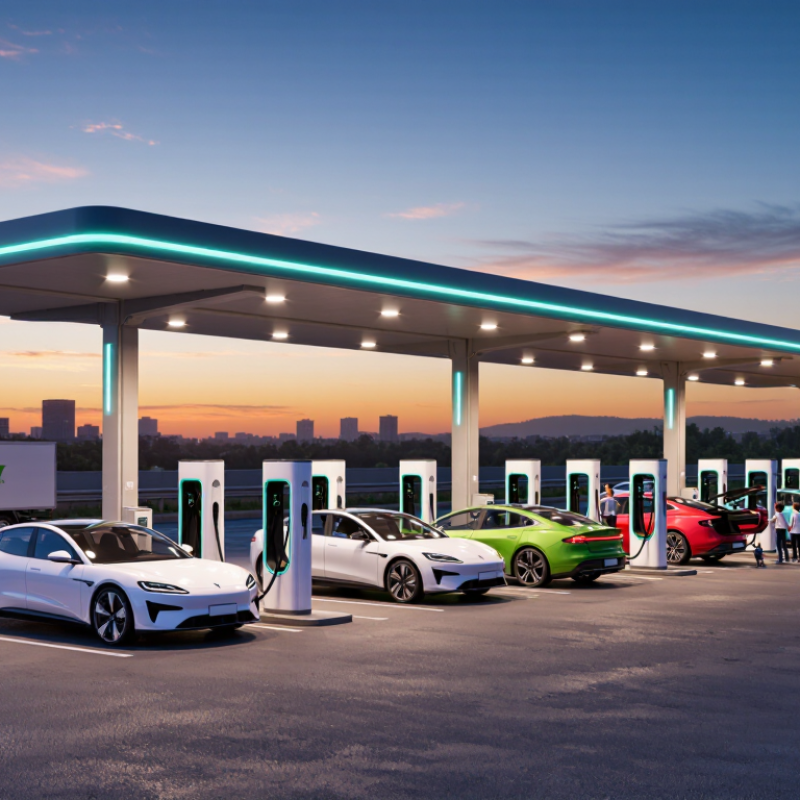
Why Do Global Buyers Need Public Charging Stations?
Global buyers need reliable public charging because private parking is not universal. Millions of drivers live in apartments, rent homes, or travel long distances. A charger beside a supermarket, office, or highway can turn electric mobility into a practical daily choice.
The infrastructure gap is widening. The International Energy Agency’s Global EV Outlook 2024 reports that public charging points exceeded four million worldwide in 2023. However, public charging capacity must grow almost sixfold by 2035 to support the expected electric vehicle fleet under current policy pathways. That is a demanding target. It requires faster grid connections, stronger local networks, and charging sites that work during busy hours.
The detail matters. A driver may arrive with 15% battery capacity and find every nearby charger occupied. A broken connector can create a much bigger problem than a short delay. The IEA also notes that public charging expansion must include both urban chargers and high-power corridor stations. This balance remains difficult. Cities need space and electricity, while highways need dependable service across long distances.
Industry forecasts are useful, but they are not guarantees. Demand, electricity prices, permitting rules, and vehicle adoption can change quickly. Public charging planning should therefore use local traffic data, real charging behavior, and transparent reliability reporting, not only national sales projections.