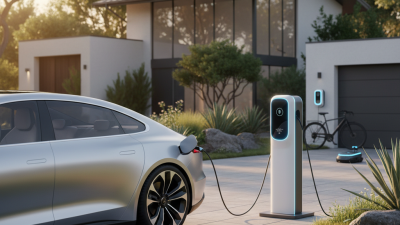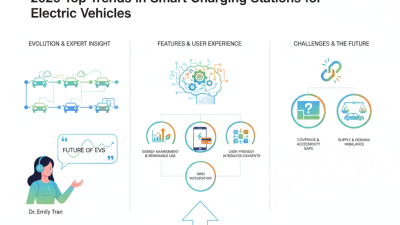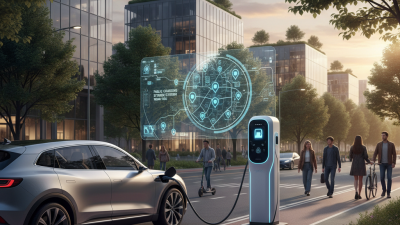
As the electric vehicle (EV) market grows, Charging Station Companies play a crucial role in shaping the future. These companies are not just infrastructure providers; they are innovators in energy solutions. By 2026, we can expect significant advancements in charging technology and connectivity.
Many companies are stepping up to meet the rising demand for EV charging. They face challenges like high costs and the need for widespread network coverage. Still, they show resilience. Some are adopting renewable energy sources, making charging more eco-friendly. This shift could change customer perceptions and boost EV adoption.
The competition among Charging Station Companies will lead to better services and lower prices. Emerging players may bring fresh ideas. However, established companies will leverage their experience. Observing their strategies is essential for understanding the market landscape. The evolution of charging stations impacts not just the industry but also consumers and the environment.
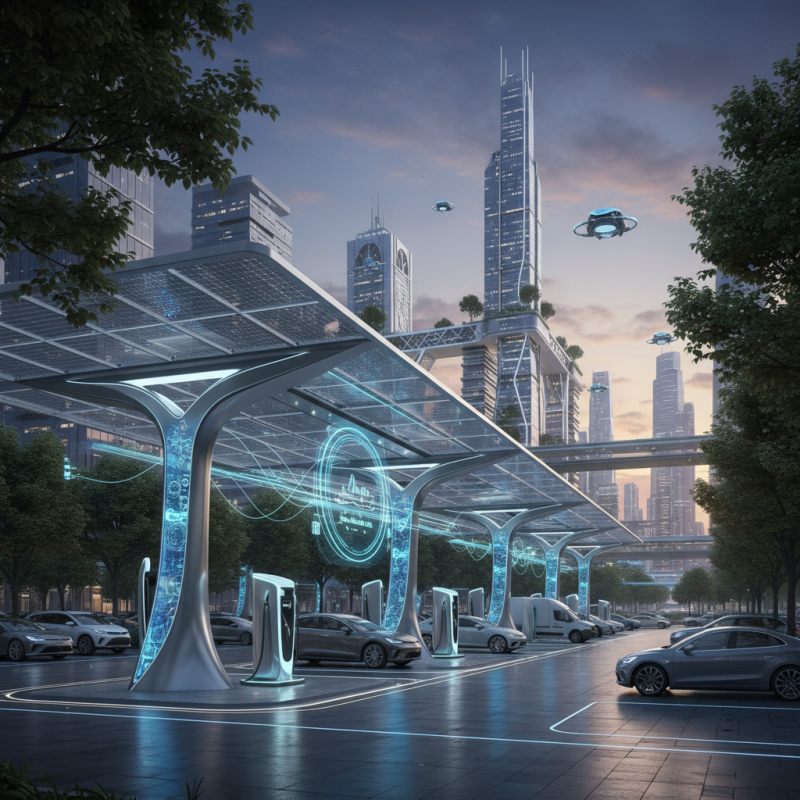
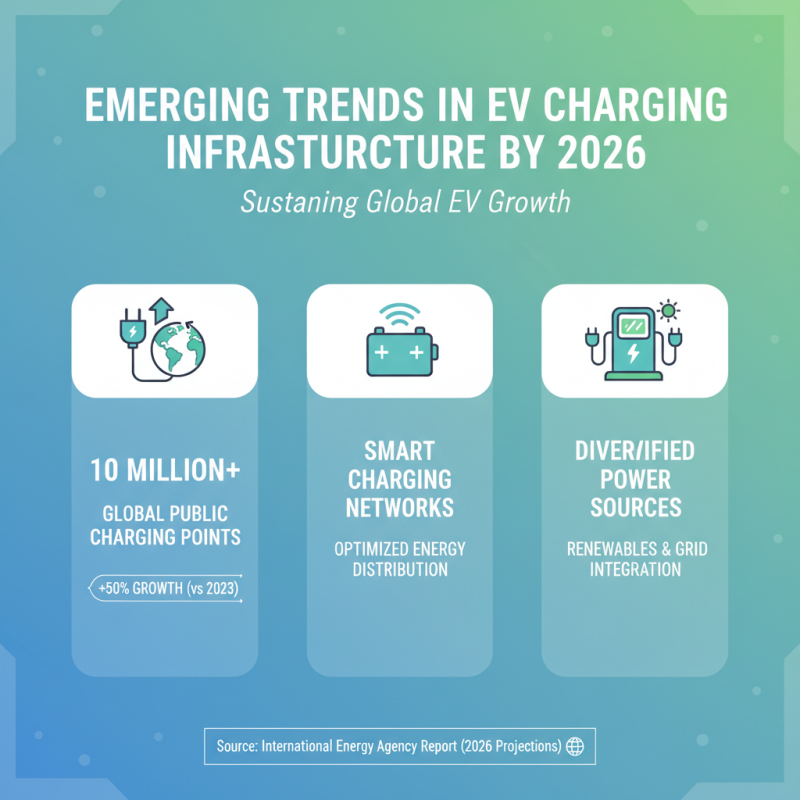
As we approach 2026, the electric vehicle (EV) charging infrastructure landscape is evolving rapidly. According to a report by the International Energy Agency, the global number of public EV charging points could exceed 10 million by 2026, reflecting a growth rate of over 50% compared to 2023. This surge underscores the increasing reliance on electric vehicles and the necessity for a robust charging network to sustain this growth.
Emerging trends reveal a shift towards fast-charging technologies. Ultra-fast chargers, capable of delivering 350 kW, are gaining traction. They can recharge a vehicle's battery in under 20 minutes, attracting more consumers. However, one challenge remains—accessibility. Many urban areas still lack adequate charging stations, creating disparities in EV adoption. As we move forward, it will be essential to address these gaps in infrastructure.
Tip: Consider your charging options before purchasing an EV. Research available charging stations in your area.
Additionally, integrating renewable energy sources into charging stations is a growing trend. Solar panels and wind energy can power these stations, minimizing reliance on fossil fuels. Yet, the transition involves significant investments, which may deter some companies.
Tip: Look for regions promoting green energy solutions for charging infrastructure development. This could influence your EV choice in the future.
This evolving landscape presents opportunities and hurdles for stakeholders in the industry. Continuous innovation and collaboration will be crucial in shaping a sustainable future for electric vehicle charging infrastructure.
As the electric vehicle market grows, so do the key players in the charging station sector. Companies focused on creating efficient charging solutions are becoming essential. They are investing heavily in R&D to improve technology and meet increasing demands. This evolution addresses a critical gap in infrastructure. Streamlined charging processes are becoming more crucial as more drivers switch to electric vehicles.
Many companies show promise. Some prioritize rapid charging technology, while others focus on expanding accessibility in urban areas. The competition is intense, leading to innovative solutions. However, some firms struggle to keep pace with rapid advancements. They need to reassess their strategies continuously. In the dynamic charging landscape, adaptability is vital for success.
User experience is also a crucial factor for companies. Seamless interfaces and user-friendly designs can enhance customer satisfaction. Yet, some companies still overlook these aspects. Creating a reliable network is imperative. Addressing concerns in service reliability can make or break a company in this competitive environment. Emphasizing customer feedback can guide improvements and develop trust.
The landscape of charging solutions is evolving rapidly. Innovative technologies are at the forefront, reshaping how we think about electric vehicle (EV) charging. Fast charging stations have become more prevalent. These stations can provide a substantial charge in under 30 minutes, appealing to drivers on the go. However, the infrastructure still faces hurdles. Not all areas have access to these stations, leading to concerns about range anxiety.
Wireless charging technology is emerging as a game changer. This technology allows vehicles to charge without physical connections. It’s convenient but still has limitations. The efficiency of wireless charging can be lower than traditional methods, and cost can be a barrier. Continuous development is necessary to enhance its reliability and performance.
Energy management systems are also crucial. These systems optimize energy distribution and storage. They can balance demand during peak hours, ensuring that charging stations remain functional. Yet, the technology needs improvement. Users express concerns about fluctuating energy costs. The path to a seamless charging experience is not straightforward and requires collaboration among manufacturers and service providers.
The growth of charging station companies by 2026 hinges significantly on regulatory and environmental factors. Governments are increasingly setting strict emissions targets. These targets promote electric vehicle (EV) adoption. New regulations may offer financial incentives, such as tax breaks for charging station installations. These incentives encourage businesses to invest in infrastructure.
Environmental concerns also play a critical role. As climate change becomes an urgent issue, cities and states are pushing for more sustainable practices. The transition to electric vehicles is seen as a vital step. However, inadequate infrastructure can hinder progress. Companies must adapt to new standards and invest in sustainable technology.
The challenge lies in balancing growth with responsibility. Companies may face delays in securing permits or meeting compliance standards. As regulations evolve, firms must stay agile and informed. This approach is essential for thriving in a changing landscape. The need for reliable energy sources remains crucial, pushing companies to rethink their strategies continuously.
As electric vehicles gain popularity, consumers increasingly influence the development of charging stations. Their preferences shape the technology used and the locations of stations. Many drivers want fast charging options and easy access. The convenience factor cannot be overlooked. People desire stations close to their daily routes.
Design and user experience are critical in this landscape. Charging stations should be intuitive and pleasant. Consumers appreciate stations that offer amenities like Wi-Fi or cafes. Such features enhance the overall charging experience. However, there are challenges. Not all places can accommodate advanced charging technology. Infrastructure gaps remain in urban and rural areas alike.
Moreover, consumers are concerned about pricing and reliability. Affordable charging solutions are essential. Drivers want assurance that their vehicle will charge efficiently. Some stations may fall short, causing frustration. Therefore, companies must adapt quickly to consumer feedback. Listening to users can drive innovation. Balancing technology with user needs can lead to better charging infrastructure by 2026.