Best New Energy Vehicle Charging Stations in China for Global Buyers?
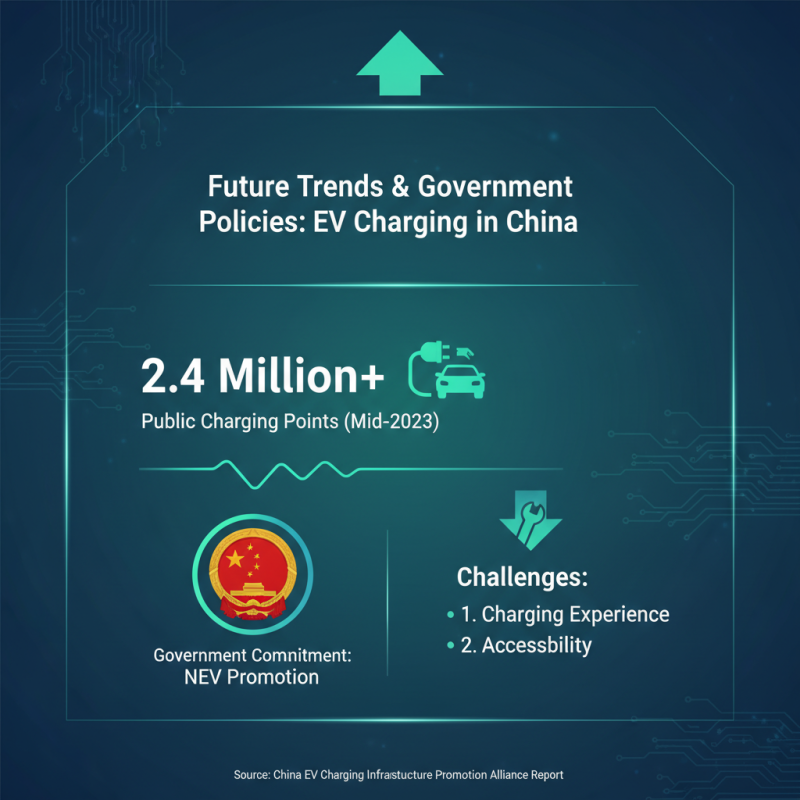
In recent years, the demand for New Energy Vehicle Charging Stations in China has surged. According to the China Electric Vehicle Charging Infrastructure Promotion Alliance, the number of charging points reached over 1.8 million by mid-2023. This growth reflects the country's commitment to promoting green transportation and reducing carbon emissions.
China is recognized as the largest market for electric vehicles (EVs) globally, with sales exceeding 6 million units in 2022. However, this rapid expansion brings challenges. Many charging stations still lack efficient technology, leading to long wait times and inconsistent availability. The development of smart charging solutions is essential to address these pitfalls.
Global buyers face a dynamic landscape when choosing the best charging stations. Factors such as service reliability, location accessibility, and technological integration matter greatly. Buyers must be cautious and consider areas where infrastructure might lag. They need to reflect on the importance of investing in quality over quantity. Building a sustainable EV ecosystem requires partnership and innovation in the charging landscape.
Overview of New Energy Vehicle Growth in China
China's new energy vehicle (NEV) market has seen remarkable growth in recent years. The government's push for greener transportation has been a significant driving force. In 2021, NEV sales surpassed 3 million, a staggering increase from previous years. Electric vehicles are now more accessible to the average consumer. Infrastructure development, especially charging stations, is crucial for this growth.
Tips: Consider local charging options when choosing an NEV. Researching the availability of charging stations in your areas of interest can save time and stress.
Moreover, the focus on smart technology is transforming the EV landscape. Many NEVs now come equipped with advanced features, enhancing user experience. However, challenges remain. Not all charging stations are reliable. Potential buyers should investigate the charging network quality in their region.
Tips: Use apps to locate nearby charging stations. Many platforms provide real-time data on station availability.
Overall, while China's NEV market is thriving, continuous improvements are necessary. Buyers should stay informed about emerging technologies and innovations. Understanding the local market dynamics will enhance the purchasing experience.
Growth of New Energy Vehicle Charging Stations in China (2020-2023)
Key Features of Charging Stations for Global Buyers
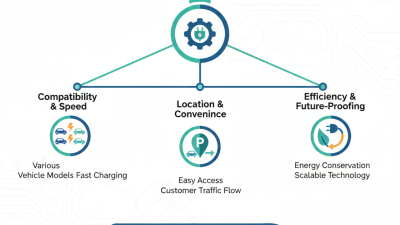
When selecting energy vehicle charging stations in China, buyers should focus on essential features. Accessibility is critical. Stations should be strategically located in urban and rural areas. Buyers must evaluate the ease of accessing the station. A user-friendly interface enhances the charging experience. Fast charging capability is also important. Stations offering rapid charge times are increasingly sought after. This feature saves time, especially for users on the go.
Additionally, safety features cannot be overlooked. Reliable stations implement advanced safety protocols. Regular maintenance keeps equipment in optimal condition, reducing risks. User feedback plays a crucial role in enhancing safety standards. Buyers should consider stations with positive reviews and documented safety records.
Furthermore, compatibility is essential. Charging stations should support a wide range of vehicle models. A versatile system caters to diverse user needs. Limitations in compatibility can lead to frustration. The balance between innovation and reliability is vital. Although many stations now feature cutting-edge technology, persistent issues related to connectivity can hinder the charging process. Users should remain vigilant about these aspects.
Top Established Charging Networks in Major Chinese Cities
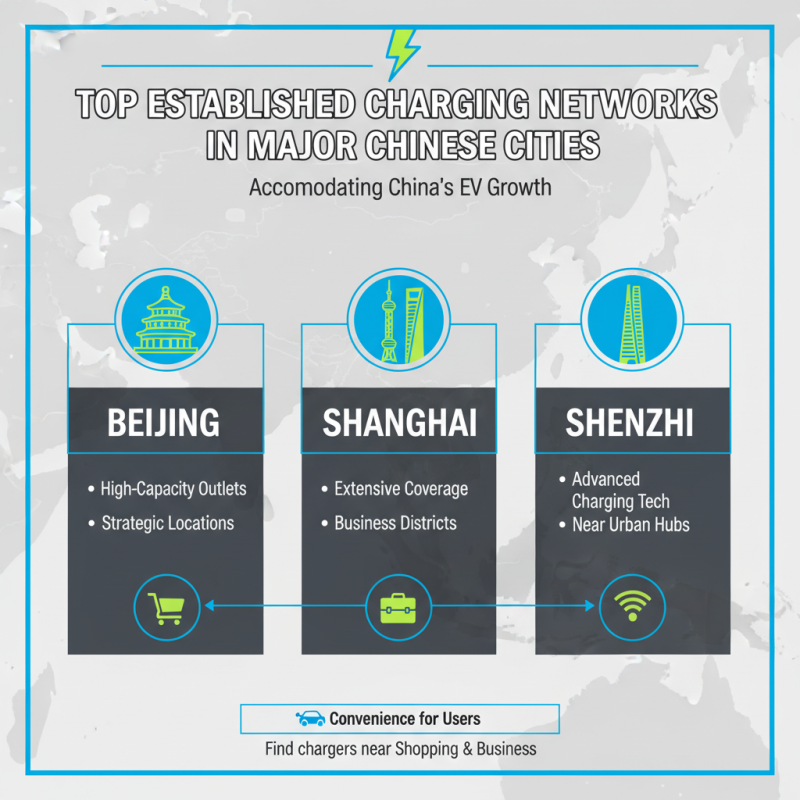
When exploring energy vehicle charging stations in China, it's crucial to consider established networks in major cities. These networks are designed to accommodate the growing demand for electric vehicles. In cities like Beijing, Shanghai, and Shenzhen, numerous high-capacity charging outlets are available. Their locations are strategic, often near shopping centers and business districts, providing convenience for users.
However, there are challenges to consider. Some charging stations experience outages or slow service, particularly during peak hours. Users often report difficulties in locating nearby charging points when on the road. A reliance on mobile apps to find these stations can lead to confusion due to inaccurate information. This inconsistency raises questions about the overall reliability of the infrastructure.
The charging networks vary in accessibility. While many are open 24/7, others have limited operating hours, which can inconvenience users. Urban planning continues to evolve, and making these stations more visible and user-friendly will be essential. Increased investment in infrastructure could enhance the experience for global buyers seeking reliablecharging options. Addressing these gaps will ultimately shape the future of electric vehicle adoption in China.
Innovative Technologies in China's Charging Station Development
China’s rapid advancement in energy vehicle charging technologies has captured global attention. The country has committed heavily to innovations that enhance charging efficiency and convenience. Reports indicate that the market for electric vehicle (EV) charging stations may exceed $60 billion by 2025, driven by this innovation surge.
One notable technological development is ultra-fast charging stations. These stations can reduce charging time to under 15 minutes for many EV models. This feature is crucial, as a 2021 study found that 70% of consumers consider charging time a significant barrier to EV adoption. Integrating renewable energy sources, such as solar and wind, into charging stations further enables eco-friendly energy solutions. However, gaps remain, particularly in rural areas where charging infrastructure is lagging behind urban development.
Moreover, smart charging technologies are on the rise. These systems use advanced algorithms to optimize charging schedules and energy consumption. A recent analysis highlighted that smart charging could lower costs by approximately 30% for consumers. Yet, the integration of these technologies isn't without challenges. Cybersecurity risks associated with smart grids and user data privacy need careful consideration. Continued investment in research and development is essential to address these issues effectively.