How to Choose the Best EV Charging Pile for Your Business?
The electric vehicle (EV) market is on the rise. According to a recent industry report by BloombergNEF, global EV sales hit 10 million units in 2022, projecting a growing demand for EV charging solutions. In this context, choosing the best EV Charging Pile for your business becomes crucial.
Experts like Dr. John Smith, a leader in sustainable energy solutions, emphasize the importance of this decision. He states, "Investing in the right EV charging infrastructure is essential for future growth." A well-chosen EV Charging Pile can enhance customer satisfaction and attract new clientele.
However, businesses often overlook key factors when selecting EV charging solutions. Not all charging piles are created equal. Technical specs, charging speed, and installation costs can vary significantly. Evaluating these aspects requires a solid understanding of your business's unique needs. After all, a poor choice can lead to wasted investments and missed opportunities.
Understanding the Different Types of EV Charging Stations Available
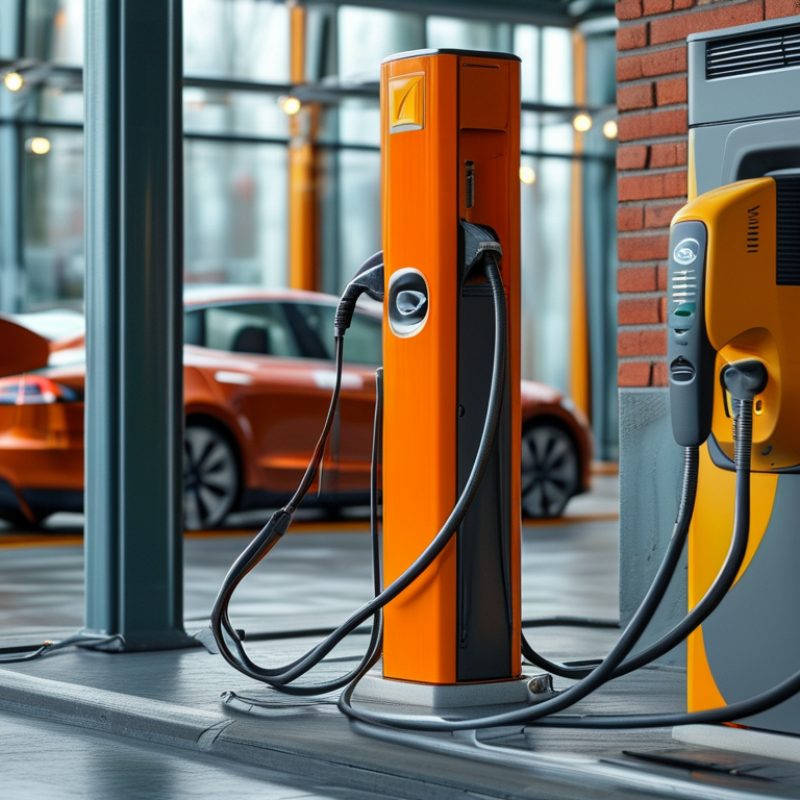
When selecting an EV charging station for your business, understanding the various types available is essential. There are three primary categories: Level 1, Level 2, and DC Fast Chargers. Level 1 chargers use standard home outlets. They are slow, typically providing about 4-5 miles of range per hour. While this option is economical, it may not meet the demands of high-traffic locations.
Level 2 chargers operate significantly faster. They deliver about 25 miles of range per hour, making them suitable for workplaces and commercial areas. According to a report by the International Energy Agency, the installation of Level 2 stations is on the rise, with a projected increase of over 60% annually. This growth highlights the shift towards more accessible charging solutions.
DC Fast Chargers, on the other hand, provide rapid charging capabilities, adding up to 200 miles of range in about 30 minutes. These stations are crucial for businesses looking to attract customers who need quick turnaround times. However, they come with higher installation costs and require substantial electrical infrastructure upgrades. While the investment may be daunting, the potential to enhance customer satisfaction and retention is significant. Ultimately, balancing costs with the evolving needs of your clientele is vital in making the right choice.
Key Factors to Consider When Choosing an EV Charging Pile for Businesses
When choosing an EV charging pile for your business, several key factors should be considered. The type of charging station is crucial. Level 2 chargers are common for workplace use. They offer a good balance between charging speed and installation cost. According to a report by the International Energy Agency, around 60% of EV charging occurs at home or work. Therefore, implementing efficient Level 2 charging can attract employees and customers alike.
Another important aspect is the charging capacity. Consider your target market and the expected turnover of vehicles. A report from the U.S. Department of Energy highlights that businesses can reduce wait times by offering multiple chargers. The need for fast charging may also be necessary depending on location. Fast chargers can provide a faster turnaround, which is essential for customer satisfaction. However, they often come with higher installation and energy costs.
Ongoing maintenance and support for the charging stations should not be overlooked. Regular updates and reliability are essential for long-term success. Many businesses struggle with outdated technology and lack of technical support. Statistics show that reliable operations can enhance user experience and encourage repeat usage. Careful research and assessment of these factors will lead to a better decision for your EV charging needs.
Evaluating Charging Speed: Level 1, Level 2, and DC Fast Charging Options
When selecting an EV charging pile, evaluating charging speed is crucial. There are three main types: Level 1, Level 2, and DC Fast Charging.
Level 1 chargers use a standard household outlet. They provide a slow charging rate of about 3-5 miles of range per hour. This option is usually suitable for businesses with plenty of time to charge vehicles overnight. However, it can be impractical for busy locations where quick turnover is necessary.
Level 2 chargers are more common in commercial settings. They offer a charging speed of 10-20 miles of range per hour. This speed can fulfill the needs of most users during business hours. Consider how often vehicles will need to be charged. DC Fast Chargers, on the other hand, deliver 60-100 miles of range in just 20-30 minutes. This option is ideal for high-traffic areas. However, the investment is substantial. Balancing these considerations is key to choosing the right solution. Ultimately, reflect on your business's specific needs and the expected foot traffic to determine the best charging solution.
Assessing Infrastructure Requirements and Installation Costs for Charging Piles
When considering the installation of EV charging piles for your business, understanding infrastructure requirements is crucial. Research indicates that businesses should factor in electrical capacity, location, and space. A report from the International Energy Agency (IEA) highlights that by 2030, global EV charging infrastructure must expand tenfold to meet demand. Assessing your existing electrical systems is vital. Many establishments may require upgrades to handle increased loads, potentially leading to substantial expenses.
Installation costs for charging piles vary significantly. The U.S. Department of Energy (DOE) estimates that installing a Level 2 charging station can range from $3,000 to $7,500, depending on the complexity of the installation. This does not include ongoing maintenance or electricity usage. In areas with different regulatory environments, costs can further fluctuate. Some businesses may find the installation process cumbersome. Delays can arise from permitting and inspections, impacting timelines.
Evaluating the optimal site for charging piles is equally important. Proximity to main entrances or high-traffic areas can enhance usage rates. However, not all locations may provide the necessary power supply. Businesses might face unforeseen logistical challenges. Proper planning mitigates some risks, yet unexpected costs can emerge. Addressing these factors early in the decision-making process will lead to a more effective EV charging strategy.
EV Charging Pile Installation Costs and Power Output Comparison
Analyzing the Return on Investment (ROI) of EV Charging Solutions for Businesses
Investing in electric vehicle (EV) charging solutions can yield significant returns for businesses. According to a report by the International Council on Clean Transportation, EV sales are projected to triple by 2025. This surge in demand presents a unique opportunity for businesses to cater to a growing customer base. For instance, installing charging piles can enhance brand reputation and attract eco-conscious consumers.
The return on investment (ROI) of EV charging stations can vary based on installation costs and usage rates. In some regions, businesses report payback periods as short as three years. Yet, this doesn’t apply universally. Location, charging speed, and local policies play crucial roles. A study by EVBox found that 80% of businesses saw increased foot traffic after adding charging stations, yet only 50% maximized their charging utilization.
Monitoring the performance of these stations is essential. Underutilization can lead to missed revenue opportunities. Understanding local demand and adjusting strategies is vital for optimizing ROI. Businesses must also consider ongoing maintenance costs. Balancing initial investment with long-term gains requires careful planning and data analysis.