What Are the Top 10 New Energy Vehicles for Global Buyers?

New Energy Vehicles have moved from showroom curiosities to practical choices for buyers across many markets. The International Energy Agency’s Global EV Outlook 2024 reported nearly 14 million electric-car sales in 2023, about 18% of global car sales. It projected sales would reach around 17 million in 2024. That growth matters. Yet a popular model is not automatically the right car for every household.

This guide compares ten New Energy Vehicles through details buyers can actually use: real-world range, charging access, purchase cost, safety, cabin space, and local servicing. A long-range battery looks reassuring on paper. A nearby fast charger may matter more on a rainy commute. The IEA’s figures concern electric cars, while “NEV” can include different technologies in different markets; that distinction deserves attention.

IEA Executive Director Fatih Birol has described the trend simply: “Electric cars are unstoppable.” Still, progress is uneven. Charging networks, incentives, and model availability vary sharply by country, and published range figures do not always match daily driving. This comparison therefore treats rankings as a starting point, not a universal verdict. Some choices will look less convincing once local prices and service coverage enter the picture. That is worth admitting. The aim is to help global buyers identify strong contenders—and ask better questions before choosing.
What Are the Top 10 New Energy Vehicles for Global Buyers?

Defining New Energy Vehicles and Their Main Types

A new energy vehicle (NEV) is a broad term for vehicles using electricity or other nontraditional energy sources for propulsion. Its exact meaning can vary between markets, so the label alone does not tell buyers how a vehicle works. The useful distinction is its powertrain: where energy comes from, how it is stored, and whether fuel is burned onboard.

A battery-electric vehicle runs on electricity stored in a rechargeable battery. A charging cable, a home wall unit, or a public charger replenishes it. No tailpipe emissions while driving.

A hybrid electric vehicle combines a combustion engine with an electric motor; most versions recharge their smaller batteries through driving and braking.

A plug-in hybrid can also charge from an external outlet and usually travel a limited distance on electric power alone.

A fuel-cell electric vehicle produces electricity onboard from hydrogen, then uses that power to drive an electric motor. Quiet operation is common, but refuelling access matters.

Categories can blur in everyday conversation. A buyer should check the vehicle’s actual charging needs, typical driving range, and local energy access—not just its NEV label. The details are easy to miss.

How Global Buyer Needs Shape the Model Selection

A global top-ten list should reflect where and how people drive, not just headline range. The IEA reported nearly 14 million electric-car sales in 2023, around 18% of global car sales, and projected more than 17 million in 2024 (Global EV Outlook 2024). That growth hides very different needs. An apartment dweller may value reliable public charging, while a rural driver may need longer highway range and room for luggage. Cold-weather buyers also benefit from efficient cabin heating and battery preconditioning. Small details matter.

A useful model comparison should weigh usable range, charging speed, efficiency, safety features, warranty, and local service access. BloombergNEF reported that average lithium-ion battery pack prices fell 14% to $139 per kilowatt-hour in 2023. Lower costs may widen buyer choice, but they do not guarantee lower showroom prices; shipping, taxes, and equipment also count. A tidy global ranking is still imperfect. In regions with sparse chargers, a lower-cost vehicle with dependable range may suit buyers better than a technically impressive model. The best selection changes with commute length, climate, household budget, and access to overnight charging.

The Top 10 New Energy Vehicles for Global Buyers

A useful global top ten is not simply a sales ranking. Buyers face different climates, charging access, budgets, and passenger needs. The strongest choices are vehicle types that solve everyday problems without relying on ideal conditions. Range figures can mislead. Cold weather, high speeds, and cabin heating can reduce real-world distance.

For city travel, consider a compact electric car and an affordable electric hatchback. Family buyers may prefer a midsize electric crossover or a seven-seat electric SUV. Long-distance drivers can look at an electric sedan with a larger battery. Work and leisure bring other options: an electric pickup, a plug-in hybrid wagon, a range-extended SUV, a fuel-cell passenger vehicle, and an electric delivery van. These ten formats suit different routes; they are not equally available in every market. Charging still matters.

The International Energy Agency’s Global EV Outlook 2025 reports that electric-car sales exceeded 17 million in 2024, passing one-fifth of global car sales. BloombergNEF reported an average lithium-ion battery-pack price of US$115 per kilowatt-hour in 2024, down 20% year over year. These figures signal growing scale, not identical value for every buyer.

A less obvious point: the best vehicle may be the one that fits a home’s charging routine, not the one with the longest advertised range. The shortlist remains imperfect without local service and resale data.

Comparing Range, Charging, Price, and Practicality

For global buyers, the best ten new energy vehicles should be compared by daily usability, not headline range alone. The U.S. Environmental Protection Agency reported an average range of about 270 miles for model-year 2023 electric vehicles. Yet cold weather, highway speeds, and cabin heating can reduce that figure. A 200-mile commute is not the same as a 200-mile test cycle. Buyers should check usable range and leave a practical buffer.

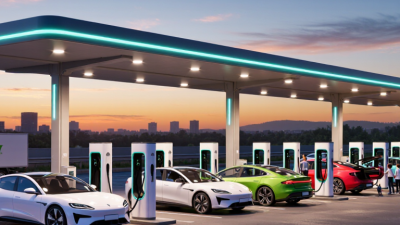
Charging access changes the calculation. The International Energy Agency’s Global EV Outlook 2024 counted more than four million public charging points worldwide in 2023, with fast chargers growing quickly. Still, coverage varies sharply by region. A family with home charging may accept slower public charging; apartment residents may need reliable fast-charging nearby. Charging curves matter, too: peak power sounds impressive, but sustained charging speed is more useful during a short stop.

Price needs the same careful reading. BloombergNEF reported that average lithium-ion battery-pack prices fell 14% in 2023, to $139 per kilowatt-hour, but retail prices also reflect taxes, equipment, and local incentives. Compare the purchase price with energy costs, warranty terms, and expected service needs. A small electric vehicle can be practical in dense cities; a plug-in hybrid may suit routes with sparse chargers. I would not pretend one ranking fits every household. The awkward part is that local charging prices are often harder to compare than sticker prices.

Availability and Ownership Factors Across Global Markets

A global top-ten shortlist should not be treated as a universal ranking. Availability changes by country, and the best choice is often the vehicle local dealers can service. Some models are sold only in selected regions; others arrive with different battery sizes or charging ports. Check the exact version, not just the name.

For buyers comparing electric, plug-in hybrid, and fuel-cell options, ownership begins with daily routines. A compact battery vehicle may suit a short commute and home charging, while frequent long trips demand reliable public fast chargers. In colder regions, ask about winter range and battery preconditioning. In apartment buildings, confirm charging access before signing.

Small detail. Big difference.

Also compare warranty coverage, parts lead times, software support, insurance costs, and resale demand in your market. A lower purchase price can become less attractive if a replacement component takes weeks to arrive. Importing a vehicle may look tempting, but charging compatibility and service support can be uncertain. These factors deserve more attention than headline range figures. No checklist removes every surprise; local ownership experience can still vary by city. Request written terms and test the vehicle on roads you actually use.