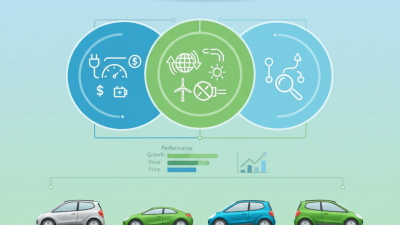
China Top New Energy Vehicle Trends for Global Buyers?
As the world shifts towards sustainability, New Energy Vehicles (NEVs) in China have emerged as a crucial trend. Factors such as government policies and consumer demand drive this shift. China's commitment to reducing carbon emissions encourages innovation in the NEV sector. The growth of electric and hybrid vehicles demonstrates a clear direction towards greener transportation.
International buyers must pay attention to this evolving landscape. Chinese manufacturers are increasingly competitive in design and technology. Quality and affordability make NEVs appealing globally. However, buyers should consider potential challenges. The rapid pace of change in technology requires ongoing research to stay informed.
Understanding the nuances of China’s NEV market is essential. Collaborations between companies and government bodies impact reliability and credibility. These partnerships foster advancements but may lead to inconsistencies. Staying updated on technology trends and government regulations can be demanding. Nevertheless, engaging with Chinese NEV innovations could be rewarding for global buyers.
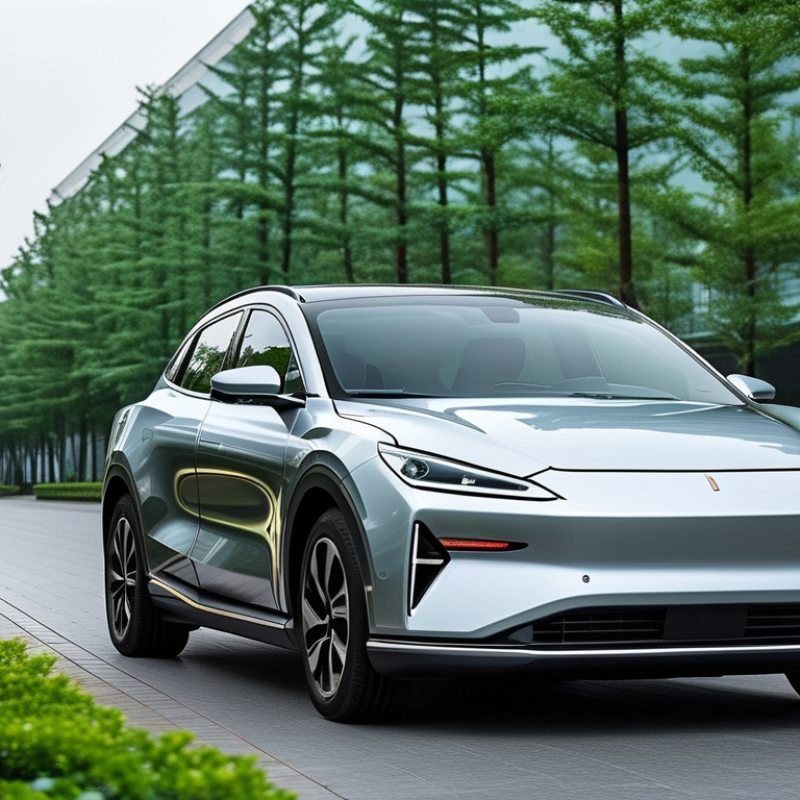
China's New Energy Vehicle Market Overview and Growth Potential
China's new energy vehicle (NEV) market is expanding rapidly. The country's commitment to sustainability is leading to impressive growth. In 2022, NEV sales reached over 6 million units. This shift reflects consumer demand for greener options and technological advancements. Many buyers are excited about electric vehicles (EVs) and hybrid models, which offer improved performance and reduced emissions.
However, challenges remain. Infrastructure development for charging stations is still catching up. Many areas lack enough fast chargers, causing range anxiety. Additionally, battery technology is evolving, yet performance can vary substantially. Buyers must be cautious about range claims and charging times. Understanding these factors is vital for making informed decisions.
Moreover, consumer preferences are changing. There is a growing interest in smart features and connectivity. However, not all NEVs offer a seamless user experience. Buyers should weigh their options carefully and consider post-purchase support. Engaging with local dealerships can provide valuable insights. Ultimately, the potential for growth in China’s NEV market is vast, but it requires careful navigation for global buyers.
Key Players in China's New Energy Vehicle Industry
China’s new energy vehicle (NEV) market is bustling with key players that shape the global landscape. Domestic brands lead in innovation and technology, often setting benchmarks. They prioritize sustainability and efficiency, addressing the rising demand for eco-friendly transport. A focus on electric vehicles showcases their versatility. These companies invest heavily in research and development to enhance battery life and performance.
Collaboration with tech firms has fostered growth. Companies are now integrating advanced features like autonomous driving and smart connectivity. It makes them stand out in an increasingly competitive field. However, some leaders face challenges in scaling production. This can lead to quality inconsistencies. A greater emphasis on quality assurance could improve their global reputation.
While electric car sales surge, the after-sales service remains a concern. Some customers report limited support from manufacturers. This aspect requires attention to retain consumer trust. Enhancing the customer experience will be crucial for long-term success. As competition grows, adapting to market feedback will emphasize leadership in this evolving industry.
Technological Innovations Driving China's New Energy Vehicles
China's new energy vehicle (NEV) market is rapidly evolving, driven by technological innovations. Advanced battery technologies are a key focus. Manufacturers are investing heavily in solid-state batteries. These batteries promise greater energy density and improved safety. However, issues regarding production costs persist.
Electric drivetrains are also changing the landscape. Efficiency and performance enhancements are vital. Regenerative braking systems are becoming standard. They improve energy recovery during driving. Nevertheless, the overall infrastructure to support these systems remains inconsistent across regions.
Another noteworthy trend is smart connectivity. Autonomous driving features are being integrated into new models. However, regulatory hurdles and safety considerations need addressing. The balance between innovation and regulatory compliance is a complex challenge. Consumers must also adapt to rapidly changing features, which can be overwhelming. The NEV sector in China illustrates the dynamic interplay between technology and user experience, where improvements are necessary for sustainable growth.
Consumer Preferences and Trends in China's EV Market
China's electric vehicle (EV) market is rapidly evolving, reflecting shifting consumer preferences. A recent report indicated that by 2025, 25% of car sales in China will be electric. This significant growth is driven by younger consumers who prioritize sustainability and cutting-edge technology. They often seek vehicles with advanced features, such as autonomous driving capabilities and smart connectivity.
Another notable trend is the demand for affordable EVs. The average cost of an electric vehicle in China decreased by 15% over the past year. Consumers are increasingly looking for budget-friendly options while still wanting quality and performance. Interestingly, a sizable percentage of buyers are also considering second-hand electric vehicles, which indicates a growing acceptance of used EVs in the market.
However, challenges remain. Charging infrastructure is still underdeveloped in many areas. While urban centers see frequent charging stations, rural regions lag behind. This discrepancy can deter potential buyers. Furthermore, concerns about battery life and disposal continue to provoke discussion among consumers. These issues highlight the need for innovation in both technology and infrastructure.
China Top New Energy Vehicle Trends for Global Buyers
| Category |
Percentage (%) |
Key Features |
Consumer Preference |
| Battery Electric Vehicles (BEVs) |
65% |
Longer range, lower operating cost |
High |
| Plug-in Hybrid Electric Vehicles (PHEVs) |
25% |
Flexibility of fuel |
Moderate |
| Fuel Cell Electric Vehicles (FCEVs) |
5% |
Quick refueling, zero emissions |
Low |
| Investment in Charging Infrastructure |
95% |
Rapid charging stations |
Essential |
Global Implications of China's New Energy Vehicle Trends for Buyers
China's new energy vehicle (NEV) market shows remarkable growth, impacting global buyers significantly. In 2022, NEV sales reached 6.9 million units in China, marking a staggering 93% increase from the previous year, according to the China Association of Automobile Manufacturers. This rapid evolution highlights a shift towards sustainable transportation, leading to global interest.
International buyers must adapt to these trends. A recent report indicates that the electric vehicle (EV) market will grow by 32% CAGR until 2030. As China leads production, global consumers can expect greater affordability and advanced technology in EVs. However, challenges remain. Supply chain disruptions and fluctuating raw material prices could affect availability and pricing. This requires buyers to stay informed about market dynamics.
Moreover, the regulatory landscape is evolving. Governments worldwide are tightening emissions standards, encouraging greener alternatives. Thus, buyers should not overlook these policies' impacts on NEV adoption rates. While China's NEV advancements offer exciting opportunities, it's vital for global buyers to approach the market with caution and awareness of potential challenges.