Top Charging Facilities in China for Global Buyers?
In recent years, the demand for charging facilities in China has surged. As electric vehicle (EV) adoption rises, infrastructure must keep pace. A report from the China Electric Vehicle Charging Infrastructure Promotion Alliance noted that as of 2023, there are over 2 million charging stations across the country. This extensive network supports the growing number of EVs, expected to reach 10 million by the end of the year.
Despite significant advances, challenges remain. Many urban areas still lack adequate charging facilities, leading to longer wait times and inconvenience for users. Moreover, the quality and reliability of some charging points are inconsistent. According to the International Energy Agency, charging speed and availability are crucial for enhancing user experience and encouraging further EV adoption. Addressing these issues requires collaboration among government entities, private companies, and industry experts.
To attract global buyers, China must not only expand its charging infrastructure but also ensure that these facilities meet international standards. Investment in smart charging technology is also vital. This could improve efficiency and user access, making EV ownership more appealing. The future of electric mobility in China relies on dependable and advanced charging solutions.
Overview of Charging Infrastructure in China
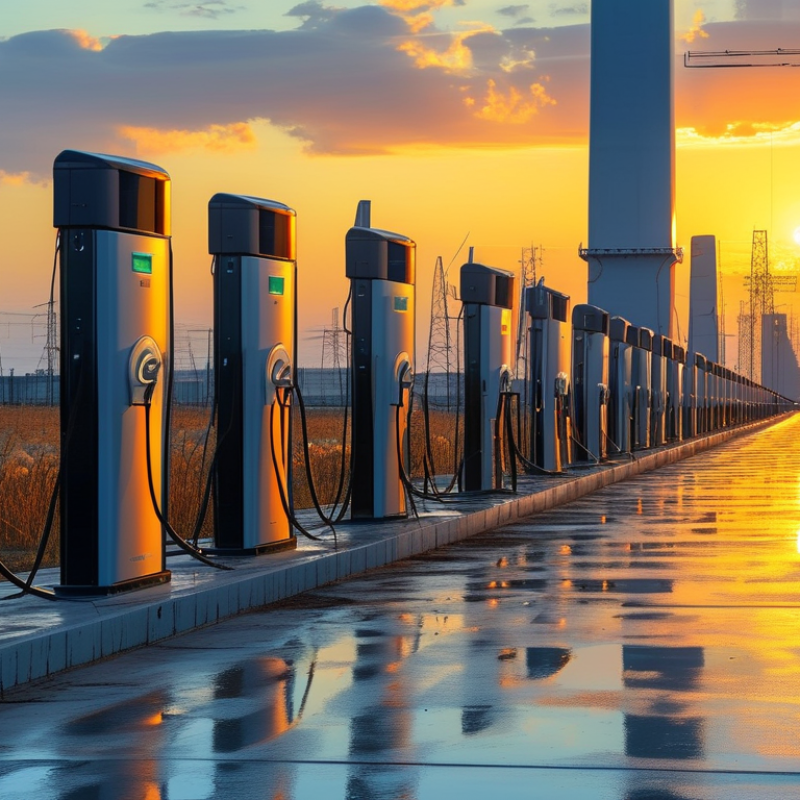
China's charging infrastructure has grown significantly in recent years. As of 2023, the country boasts over 3.5 million public charging points, according to the China Electric Vehicle Charging Infrastructure Promotion Alliance. These facilities are vital for supporting the rising number of electric vehicles (EVs) on the roads. The government aims to have 5 million charging points by 2025. However, the distribution of these facilities is uneven across urban and rural areas.
While major cities like Beijing and Shanghai have a robust network of fast chargers, rural regions still face challenges. Many users report long wait times at popular locations, highlighting the demand for more charging options. Industry experts emphasize the need for better planning and funding for deployment in less populated areas. Additionally, access to renewable energy for charging stations remains limited. Addressing these gaps is crucial for sustainable growth.
Data shows that the utilization rate of charging points can be as low as 30% in some regions, indicating room for improvement. This inefficiency raises questions about resource allocation and user accessibility. As China continues to invest in EV infrastructure, balancing growth with accessibility will be essential for long-term success.
Key Players in China’s Charging Station Market
China's charging station market is rapidly expanding, attracting global attention. Several key players drive this growth, focusing on technology and infrastructure. Each company contributes to improving accessibility and efficiency, which is vital for electric vehicle (EV) adoption.
As a buyer, understanding the landscape of charging facilities is critical. Many locations now feature fast charging capabilities. These stations often include amenities like cafes and shopping areas. Ensure to consider proximity to major highways, as this influences the charging experience.
Tip: Explore mobile apps that map charging stations. This can save time and help find the nearest facility. Remember to check reviews on the charging speed and service quality.
Despite advancements, challenges persist. Some stations experience downtime or lack maintenance. It's important to research and read user feedback before planning your charging stops. Reliable facilities will ultimately enhance your EV experience.
Tip: Try connecting with local EV owners through forums. They can provide valuable insights into the best charging stations in various regions. Engaging with the community can reveal hidden gems and potential pitfalls.
Types of Charging Facilities Available for Global Buyers
In recent years, charging facilities for electric vehicles (EVs) have become crucial for global buyers in China. A variety of charging types are available to meet different needs. These include public charging stations, fast charging facilities, and home charging units. According to a report by the China Electric Vehicle Charging Infrastructure Promotion Alliance, as of 2023, there are over 1.8 million charging points in China, highlighting the rapid growth of this industry.
Public charging stations can be found in urban areas and along highways. They cater to drivers needing a quick recharge during their travels. Fast charging stations often provide 80% battery recharge in 30 minutes. Despite their convenience, the availability of fast chargers can vary by region, which may leave some users frustrated.
Home charging units are another popular option, especially for those who can install them in their garages. They offer the flexibility of charging overnight. Yet, not everyone has access to suitable installation locations. Buyers must consider their specific living situations. Knowing where to charge, and the types available, is essential for potential EV owners in China. The landscape is evolving, which presents opportunities and challenges in managing charging solutions.
Regulatory Environment and Incentives for Charging Stations
China's regulatory environment for charging stations is evolving rapidly. The government is pushing for increased adoption of electric vehicles (EVs). To support this shift, various policies promote the development of charging infrastructure. Local governments often provide subsidies to encourage the installation of charging facilities. This support enhances accessibility for EV owners in urban areas.
Incentives vary across regions. For instance, some cities have set ambitious targets for the number of charging points. These targets reflect local commitment to sustainable transport. Compliance with safety standards is also crucial. Regulatory bodies oversee the construction and operation of these facilities. However, there are discrepancies in regulations between provinces. This inconsistency can confuse investors and operators.
Moreover, the rapid expansion of charging networks presents challenges. Not all regions have adequate infrastructure to complement the growth of EVs. This imbalance raises questions about long-term feasibility. Ensuring reliable power supply to charging stations is another area needing focus. Stakeholders should collaborate to address these issues for a smoother transition to electric mobility.
Future Trends and Developments in China's Charging Networks
China's charging network is rapidly evolving. This development is driven by increasing demand for electric vehicles (EVs). The government is pushing for a cleaner environment, which is part of its long-term strategy. Various regional strategies are being implemented to enhance infrastructure. However, challenges remain, including inconsistencies in charging standards.
Investment in research and development is crucial. New technologies are emerging, which improve charging speed and efficiency. Expect to see more convenient charging stations. Many urban areas are expanding their networks, while rural areas often lag behind. This disparity highlights ongoing issues in accessibility.
While the future looks bright, some concerns exist. Not all chargers are compatible across different vehicles. Consumers often face confusion about available stations. Collaboration between stakeholders can help resolve these issues. Education and awareness will play vital roles in shaping user experiences. A cohesive strategy could ensure smoother integration of charging facilities.
Top Charging Facilities in China for Global Buyers
| Facility Type |
Location |
Number of Charging Points |
Charging Speed (kW) |
Availability |
| Fast Charging Station |
Beijing |
50 |
120 |
Available 24/7 |
| Ultra-Fast Charging Station |
Shanghai |
30 |
350 |
Available 24/7 |
| Standard Charging Station |
Guangzhou |
100 |
22 |
Available 18 hours |
| Rapid Charging Hub |
Shenzhen |
20 |
180 |
Available 16 hours |
| Public Charging Station |
Chengdu |
80 |
11 |
Available 24/7 |