Top Tips for Choosing Commercial Charging Stations Today?
Choosing the right Commercial Charging Stations is vital in today's electrifying marketplace. As electric vehicles (EVs) surge, reliable charging solutions are paramount. According to a report by the International Energy Agency, there were over 1.3 million public charging points globally by the end of 2020, a figure expected to double by 2025. This trend emphasizes the growing demand for efficient and accessible charging infrastructure.
Experts like Dr. Emily Richards, a leading figure in EV infrastructure, have pointed out that "investing in the right Commercial Charging Stations can enhance customer satisfaction significantly.” This insight reflects the importance of selecting stations that align with customer needs and technological advancements. However, the constant evolution of charging technology can be daunting. Companies must weigh factors such as charging speed, compatibility, and sustainability.
While many companies embrace electric solutions, others hesitate. Some might overlook essential aspects like location and installation costs. Making informed decisions involves understanding the nuances of the sector. The right Commercial Charging Stations can drive business growth, but the path to selection can be tricky. Balancing initial costs with long-term benefits requires careful thought.

Understanding the Importance of Commercial Charging Stations
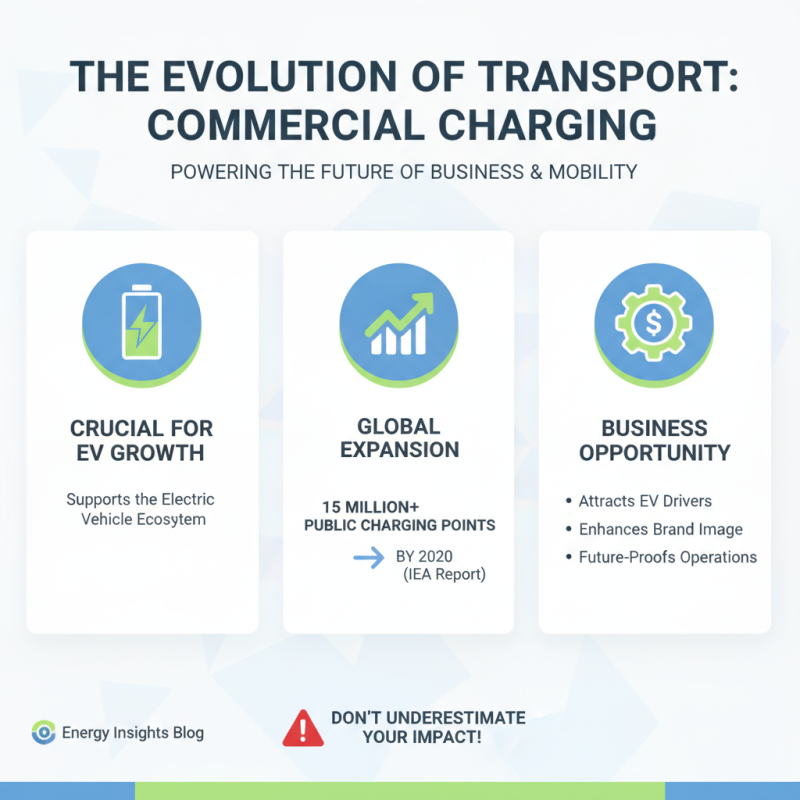
Commercial charging stations play a crucial role in supporting the electric vehicle (EV) ecosystem. A recent report by the International Energy Agency (IEA) indicates that the number of public charging points worldwide could exceed 15 million by 2030. This growth underscores the importance of having reliable and accessible charging options for EV users. However, many businesses still underestimate their potential impact.
Choosing the right commercial charging station involves understanding local demand and infrastructure needs. In urban areas, a mix of fast and standard chargers can accommodate various users. According to a survey by the EV Charging Association, 63% of businesses reported increased customer traffic when installing charging stations. This finding highlights the opportunity to attract new clients while promoting sustainability.
Despite the clear benefits, there are challenges. Not all locations have adequate electrical capacity or space for installations. Some businesses struggle with understanding usage patterns and ROI. Consulting with experts who analyze site-specific data can help mitigate these issues. Engaging with local energy providers can also offer insights into grid capacity and potential incentives. A well-researched approach can turn obstacles into opportunities.
Evaluating Your Business's Power Needs and Charging Capacity
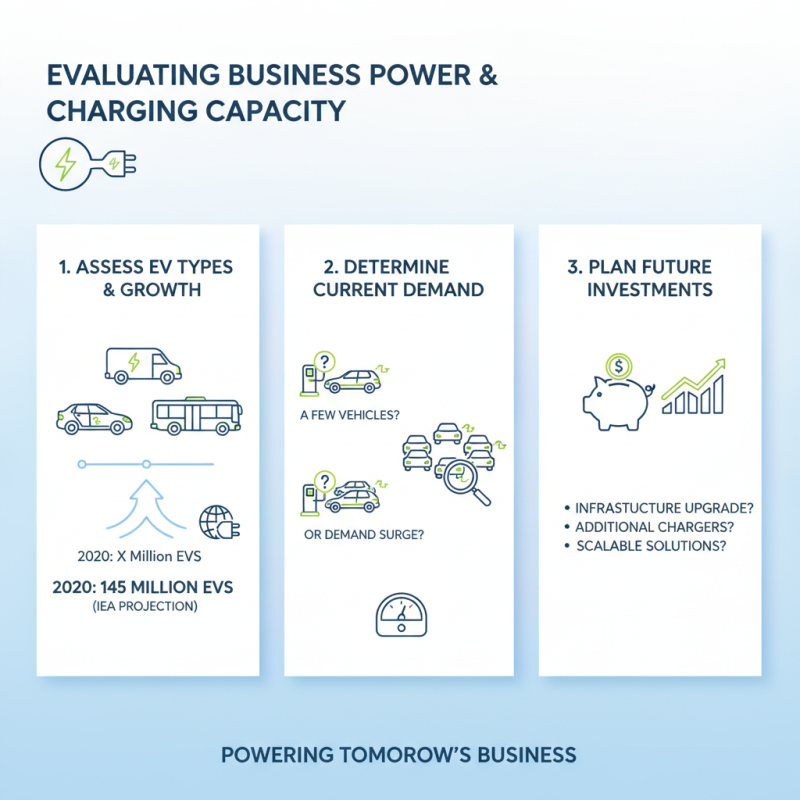
When evaluating your business's power needs, consider the types of electric vehicles (EVs) you expect to charge. According to the International Energy Agency, the number of EVs on the road is projected to reach 145 million by 2030. Understanding this growth can help tailor your charging capacity. Will you accommodate just a few vehicles, or could your demand surge? This question lays a foundation for future investments.
Charging capacity is key. Different levels of chargers deliver varying speeds. Level 1 chargers can take up to 20 hours, while Level 3 chargers can achieve an 80% charge in 30 minutes. Providing the right mix can optimize fleet performance and customer satisfaction. Data from the U.S. Department of Energy indicates that over 50% of charging occurs at home, which may influence your station placement strategy.
Regular assessment is crucial. Monitor usage patterns and electric consumption. If your station is underperforming, it may be time for adjustments. This reflection on your power needs can ensure a more responsive charging strategy. Remember, flexibility in your approach allows for adaptation in an evolving market.
Exploring Different Types of Charging Stations Available
When considering commercial charging stations, it’s crucial to understand the various types available. Level 1 charging stations are the simplest. They connect to standard outlets, making them ideal for home and small business use. However, they charge slowly. This means that for high-demand environments, they may not be the best choice.
Level 2 charging stations offer faster charging. They can significantly reduce wait times, which is essential for busy locations. These stations require special installation but provide a balance of speed and accessibility. For businesses aiming for high efficiency, Level 3 fast chargers can deliver rapid power, significantly impacting customer satisfaction. They can charge vehicles in under an hour, but the initial investment is much higher.
It’s important to reflect on the specific needs of your location when choosing a charging station type. Consider factors like traffic volume and the duration of customer visits. The need for reliable infrastructure cannot be overstated. Ensuring that charging stations are easy to find and use is vital. Ultimately, the right choice can enhance customer experience and improve your business's sustainability efforts.
Factors Influencing the Cost of Charging Station Installation
When installing commercial charging stations, several factors influence the overall cost. Site location is crucial. Urban areas typically have higher installation expenses than rural settings due to increased labor costs and regulatory fees. According to a 2023 industry report, installation costs in urban regions can reach up to 30% more than their rural counterparts.
Additionally, the type of charging technology installed plays a significant role. Level 2 chargers are generally less expensive than DC fast chargers. Data indicates that the average cost of a Level 2 installation ranges from $5,000 to $15,000, while DC fast chargers can cost between $20,000 and $100,000. Complexity of installation also matters. If a site lacks existing electrical infrastructure, the costs can spike dramatically. In some cases, additional upgrades can add tens of thousands to the final bill.
Permits and inspections are often underestimated. Local regulations may require specific permits that add time and costs to the project. Surprisingly, some businesses overlook these requirements, leading to unexpected delays and expenses. According to industry estimates, permit-related costs can account for up to 15% of total installation expenses. Optimal planning and understanding these factors can ultimately mitigate costs and streamline the installation process.
Top Tips for Choosing Commercial Charging Stations Today
The chart above illustrates the various cost factors involved in the installation of commercial charging stations. The primary expenses include hardware, installation, electrical upgrades, permit fees, and networking costs, all contributing significantly to the overall investment required for setting up charging infrastructure.
Regulatory and Incentive Considerations for Charging Stations
When choosing commercial charging stations, it’s essential to consider regulatory and incentive aspects. Understanding local laws and incentives can significantly impact your decision. According to a report by the International Energy Agency, incentives can lower the cost of installation by up to 30%. Many regions offer tax credits or rebates to support the adoption of electric vehicles.
Evaluate the key regulations in your area. Some municipalities require specific installations to manage energy consumption effectively. Compliance with these regulations can prevent future penalties. Make sure to review guidelines from local government agencies and utility companies. This ensures your charging stations meet the necessary standards.
Consider potential incentives for your business. Grants or subsidies can lessen financial burdens. Retailers, for instance, may benefit from increased foot traffic with well-placed charging stations. A survey showed that 70% of consumers are more likely to shop at locations with charging options.
In conclusion, investigating local regulations and incentives enhances your strategy. Ignoring these factors might lead to unforeseen costs. Engaging with local entities can also provide valuable insights and resources to make informed decisions.
Top Tips for Choosing Commercial Charging Stations Today? - Regulatory and Incentive Considerations for Charging Stations
| Criteria |
Considerations |
Incentives |
| Location |
Proximity to main roads, businesses, and amenities. |
Local grants for infrastructure development. |
| Capacity |
Number of vehicles that can be charged simultaneously. |
Tax credits for purchasing equipment. |
| Charging Speed |
Determining between Level 2 and DC fast chargers. |
Rebates for energy-efficient technology. |
| Network Compatibility |
Support for various charging standards and network access. |
Incentives for integrating with existing networks. |
| User Interface |
Ease of use for customers, including mobile app integration. |
Grants for technology upgrades for user experience. |